


BFCM 2025 by the numbers
Here's what peak performance looked like for Shoplift:
Traffic & Load
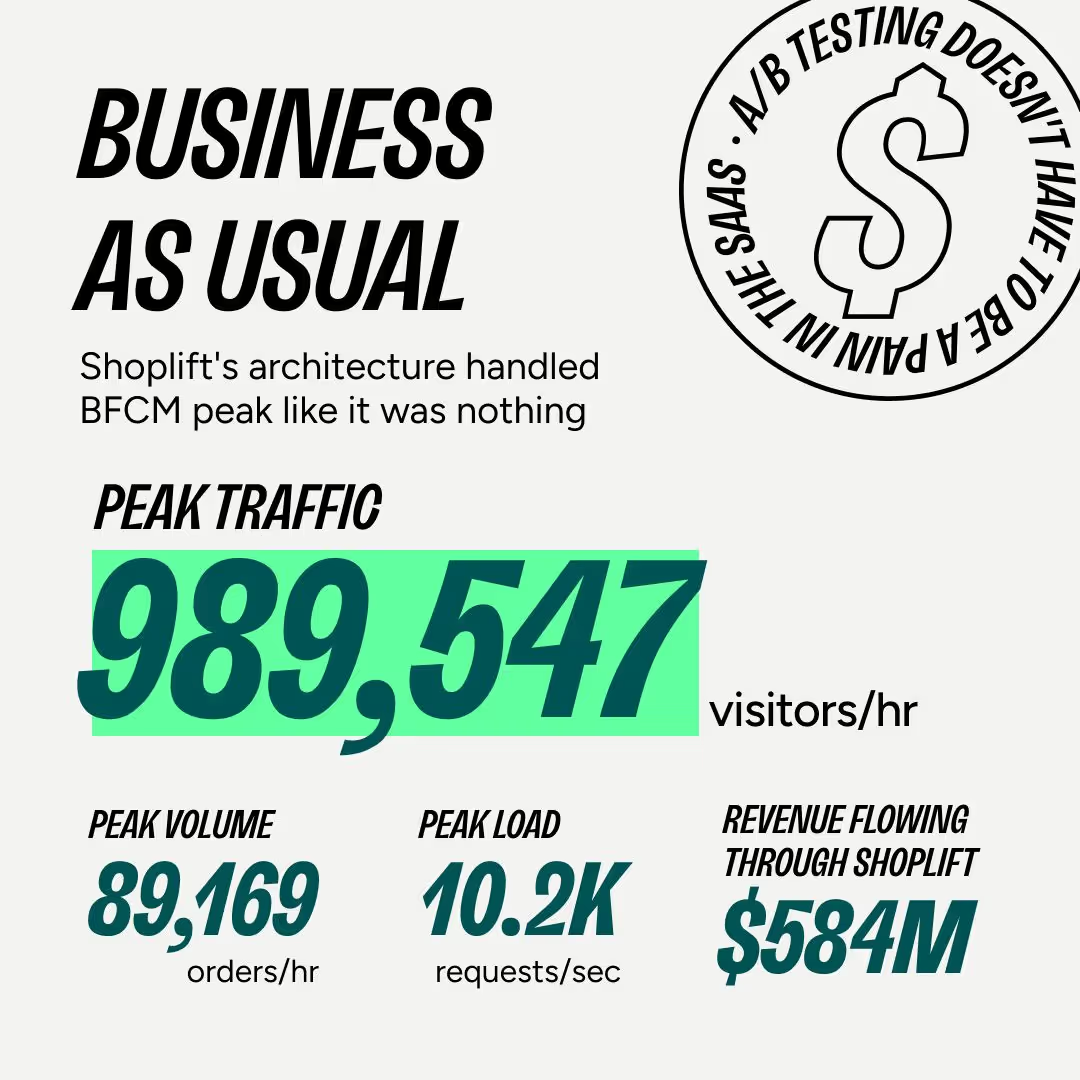
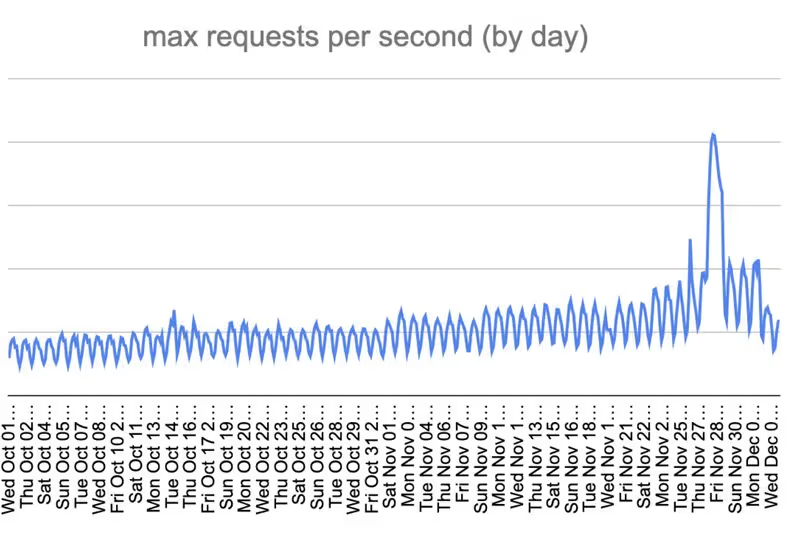
- Peak: 10.2k requests/sec (roughly 3× our normal load)
- Sustained: 4-5k requests/sec throughout the weekend
- Peak visitors served: 989,547/hour
- Peak orders processed: 89,169/hour
- Unique visitors served: 75.6M across the weekend
Merchant Impact
- Orders observed: 4.7M+
- Estimated merchant revenue: $584M USD flowing through our platform
To put that in context, Shopify merchants collectively generated a record $14.6 billion in sales over BFCM weekend, up 27% from last year. Shopping peaked at 12:01 p.m. EST on Black Friday when sales across the platform reached $5.1 million per minute. That's the kind of sustained, intense traffic that separates theoretical infrastructure from production-ready systems.
BFCM 2025 by the numbers
With Cyber Monday officially in the books, we wanted to take a moment to share what happened behind the scenes at Shoplift during the biggest shopping weekend of the year.
BFCM is the ultimate stress test for any e-commerce infrastructure. Traffic doesn't just increase, it explodes. Conversion rates spike. Every second of downtime translates directly into lost revenue. Year after year, even the most robust platforms face their biggest challenges during this weekend when traffic can spike 5-10× normal loads in minutes.
This year brought record-breaking numbers across the board. Shopify merchants alone generated $14.6 billion in sales, up 27% from 2024, with shopping peaking at $5.1 million per minute on Black Friday.
At Shoplift, we're proud to report that our platform kept running without interruption through it all. Not even a brief Shopify outage on Cyber Monday impacted our uptime. Zero downtime. Zero pauses. Just continuous optimization exactly when our merchants needed it most.
Shopify's record-breaking weekend
While Shoplift was processing millions of orders, the broader Shopify ecosystem was making e-commerce history. More than 81 million consumers worldwide bought from Shopify-powered brands, with nearly 16,000 entrepreneurs making their first sale on the platform. Shop Pay processed 32% of all orders, while more than 94,900 merchants experienced their highest-selling day ever.
For Shoplift, these ecosystem metrics represent the actual traffic patterns our infrastructure needs to handle seamlessly. Our testing platform needs to deliver the same reliability and performance whether merchants are processing 1,000 orders or 100,000, without becoming a liability during the moments that matter most.
Why reliability matters most when stakes are highest
Most A/B testing platforms recommend pausing experiments during peak traffic. The reasoning makes sense: when everything is working, why introduce variables that might cause problems?
But here's what that conventional wisdom misses. BFCM weekend isn't just your highest traffic, it's your most valuable data. You have millions of real shoppers, genuine purchase intent, and actual conversion signals. That's exactly when optimization matters most.
Shoplift was built so merchants never have to choose between testing and reliability. Our merchants ran experiments straight through the weekend because our architecture could handle both the traffic surge and the complexity of real-time testing simultaneously.
What made the difference
The architectural decisions we made months ago paid dividends exactly when they needed to:
Native Shopify integration: We're not injecting third-party JavaScript or routing traffic through external systems. Shoplift runs as a native part of the Shopify stack, which means we inherit Shopify's infrastructure resilience while adding our testing layer.
Edge-optimized delivery: Even at peak load, we maintained impressive response times. Speed doesn't just improve user experience, it reduces system strain and prevents the cascading failures that cause outages.
Redundant failovers: Our entire stack includes multiple layers of redundancy. If one component experiences issues, traffic automatically routes to backup systems without merchants or shoppers noticing.
Real-time monitoring with automatic scaling: We monitor hundreds of performance metrics in real-time and scale resources automatically before bottlenecks develop. By the time traffic spiked on Black Friday, our systems had already adjusted.
We wrote more about these architectural decisions in our recent post on how Shoplift's architecture delivers both speed and reliability.
The reality of peak season infrastructure
Let's be clear: keeping systems running during BFCM can be exceedingly difficult.
Traffic patterns are unpredictable. A viral social post can send thousands of shoppers to a single store in minutes. Popular products sell out, triggering inventory updates across multiple systems. Payment processors face their own load challenges. Every component in the e-commerce stack experiences unprecedented strain.
When major platforms experience issues during these peaks, it's not because of negligence. It's because handling this kind of scale while maintaining split-second performance requires extraordinary engineering. We have deep respect for the teams across the industry working to keep commerce flowing during these critical windows.
For Shoplift, our advantage comes from focus. We're not trying to be everything to everyone. We built one thing exceptionally well: A/B testing that works exactly as expected, even when the entire e-commerce world is operating at maximum capacity.
Subscribe to the Shoplift newsletter
Get insights like these emailed to you bi-weekly!
{{hubspot-form}}
What this means for the rest of holiday season
BFCM might be behind us, but holiday traffic remains elevated through the end of December. Merchants are still running promotions, shoppers are still buying gifts, and optimization opportunities continue.
The infrastructure that kept Shoplift stable during peak weekend is the same infrastructure serving tests right now. No special "BFCM mode" required. That's the standard we're building to: reliability that's consistent regardless of traffic levels.
Ready to test with confidence?
If you're currently using a testing platform that requires pausing during peak traffic, or you're concerned about reliability during your critical sales periods, let's talk about what purpose-built Shopify infrastructure can do for your optimization program.
Schedule a conversation with our team to discuss how Shoplift can support your testing needs through whatever traffic comes your way.
Frequently asked questions
Why do most A/B testing platforms recommend pausing tests during BFCM?
Most testing platforms pause during peak traffic because they add performance overhead that can cause problems when systems are under maximum load. Traditional third-party testing tools inject JavaScript that slows page loads and introduces potential failure points. When traffic spikes 5-10x normal levels, these platforms become liabilities rather than assets.
How does Shoplift maintain performance during traffic spikes?
Shoplift's native Shopify integration means we're built into the platform itself rather than layered on top as third-party code. We inherit Shopify's infrastructure resilience, maintain 90-150ms response times even at peak load, and include automatic scaling that adjusts resources before bottlenecks develop. Our architecture is designed specifically to handle BFCM-level traffic without compromising speed or reliability.
Should I run A/B tests during my peak sales periods?
Peak traffic periods provide your most valuable testing data because you're seeing real shopper behavior at scale with genuine purchase intent. The question isn't whether to test during peaks, it's whether your testing platform can handle the load without becoming a problem. With purpose-built infrastructure like Shoplift, you can optimize during your most critical moments without choosing between testing and reliability.
What happens if Shopify experiences an outage during peak traffic?
Shoplift's architecture includes multiple layers of redundancy and automatic failovers. During BFCM 2025, even when Shopify experienced a brief Cyber Monday outage, Shoplift maintained zero downtime. Our systems automatically route traffic to backup infrastructure without merchants or shoppers noticing any interruption.
How much traffic can Shoplift handle during peak periods?
Our infrastructure scales automatically to meet demand, so there's no artificial ceiling on the traffic we can process reliably. During BFCM 2025, Shoplift processed peak loads of 10.2k requests per second (roughly 3x normal traffic), served 75.6M unique visitors across the weekend, and handled 4.7M+ orders representing approximately $584M in merchant revenue.


